Inventory Management & Asset Tracking in St. Louis | Nationwide Services
Accurate Asset Tracking and Inventory Control for Businesses Nationwide
Based in St. Louis and serving businesses nationwide, Logistics 1st provides reliable inventory management and asset tracking designed to keep full control of your equipment, furniture, and commercial assets during moves and transitions.
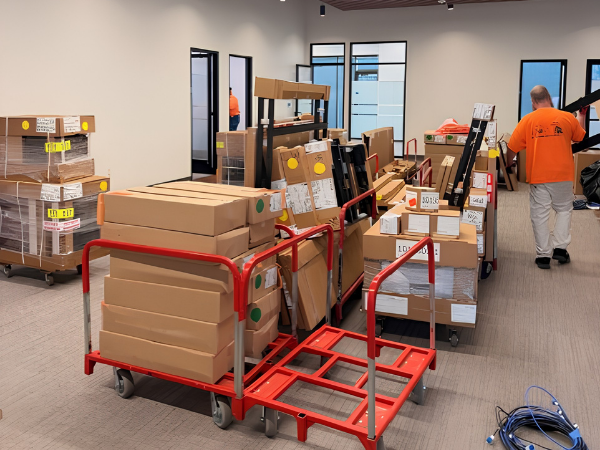
Complete Asset & Inventory Management Solutions
We offer structured and organized solutions for businesses that need accurate asset control, including:
Real-time tracking of office furniture, equipment, and assets
Barcode and labeling systems for full visibility
Detailed inventory documentation during moves and relocations
Asset verification and reporting to avoid missing items
Our process ensures nothing is lost, misplaced, or unaccounted for during transitions.
Why Choose Logistics 1st
Businesses trust our inventory management services because we provide accuracy, transparency, and full project support:
Nationwide service with St. Louis-based coordination
Detailed tracking of all commercial assets
Organized documentation for full visibility
Reduced risk of loss or misplacement
Integrated support with moving and installation services
We help businesses maintain control over their physical assets from start to finish.
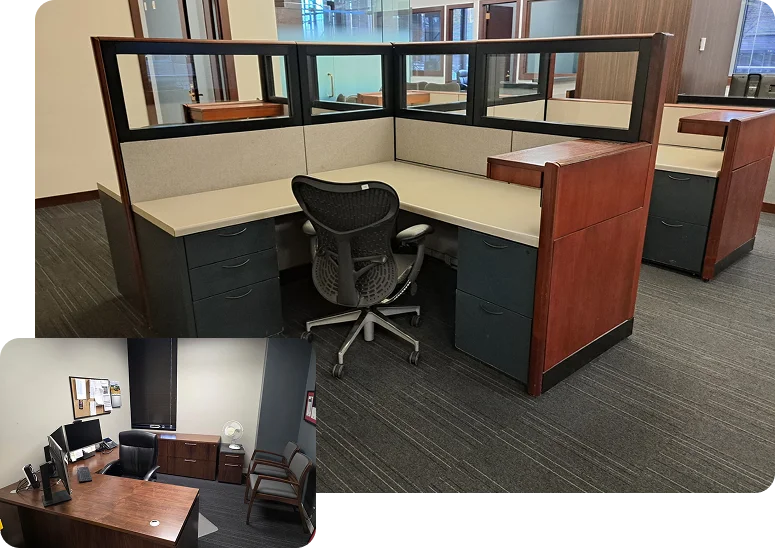
Logistics 1st vs Other Inventory Providers
Logistics 1st
Accurate and structured asset tracking systems
Detailed documentation and reporting
Seamless integration with moving projects
Reduced risk of asset loss or confusion
Full coordination across all project phases
Other Companies
Inconsistent or manual tracking methods
Lack of proper documentation
Higher risk of misplaced assets
Limited coordination with moving teams
No end-to-end inventory control
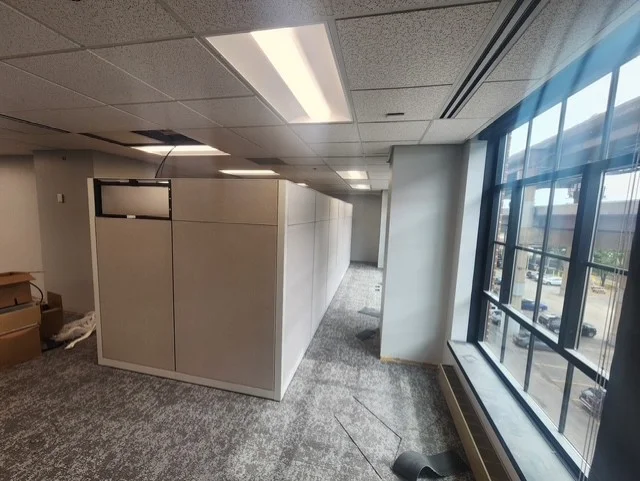
Inventory Management Built for Commercial Operations
Every project is customized based on your business size, asset volume, and operational needs. Whether managing a small office or a large corporate facility, we ensure your inventory is handled with precision and care.
Office relocation and commercial moving
Furniture installation and reconfiguration
Office decommissioning and cleanouts
Commercial warehousing and storage solutions
Trusted by Businesses Across the U.S.
Companies trust us to handle complex moves and installations without delays or disruption.
Frequently Asked Questions
What is inventory management and why is it important for businesses?
Inventory management is the process of tracking, controlling, and optimizing stock from raw materials to finished goods. It is important because it helps businesses understand how much inventory is needed to meet customer demand without carrying excess inventory. Good inventory management improves cash flow, reduces costs, and supports customer satisfaction. It also plays a key role in supply chain management by ensuring smooth supply chain performance and fewer supply chain disruptions.
What tools or systems are used in inventory management?
Businesses use an inventory management system or inventory management software to manage inventory efficiently. A modern inventory system helps with tracking inventory, inventory data, and inventory levels in real time. These systems improve inventory visibility, support order management, and reduce inventory errors. Many small businesses now rely on inventory software to handle inventory processes, warehouse management, and fulfillment processes more effectively.
What are the common types of inventory management methods?
There are several inventory management methods used based on business needs. These include periodic inventory system, perpetual inventory system, just in time (JIT inventory management), and economic order quantity (EOQ). Each method helps manage inventory differently, depending on demand forecasting, market trends, and production process needs. These methods help improve inventory turnover rate and reduce inventory holding costs.
How does inventory management help meet customer demand?
Effective inventory management ensures businesses always have the right stock levels to meet customer demand. By using demand forecasting and historical sales data, companies can better predict customer orders and avoid stock shortages. This improves fulfillment processes and helps meet customer demand on time, leading to better customer satisfaction and stronger customer orders fulfillment.
What are the benefits of good inventory management?
The benefits of inventory management include improved cash flow, better inventory accuracy, reduced inventory costs, and higher inventory turnover ratio. It also helps in minimizing excess inventory and avoiding carrying excess inventory that increases storage costs. Good inventory management efforts improve supply chain efficiency, inventory optimization, and overall business performance.
What happens if inventory management is poor?
Poor inventory management can lead to stock imbalances, delayed customer orders, and low inventory accuracy. Businesses may face excess inventory or stock shortages, which affect cash flow and customer satisfaction. It can also increase inventory holding costs and disrupt supply chain processes. Without proper inventory control and inventory tracking, businesses struggle to manage inventory effectively.
How do businesses manage inventory across multiple locations?
Managing inventory across multiple locations requires strong inventory visibility and a centralized inventory management system. Businesses use inventory tracking and warehouse management tools to monitor stock levels in real time. This ensures better inventory control, accurate inventory counts, and improved supply chain efficiency. It also helps businesses reduce costs and improve inventory turnover across all locations.
What strategies improve inventory management efficiency?
An effective inventory management strategy includes demand forecasting, safety stock planning, and inventory optimization. Businesses use economic order quantity (EOQ), just in time systems, and inventory management techniques to reduce waste and improve efficiency. These strategies help manage inventory efficiently, reduce inventory costs, and improve inventory turnover while ensuring smooth supply chain operations.
Get a Free Inventory Management Quote
Need reliable asset and inventory management services for your business? Logistics 1st ensures complete visibility and control over your commercial assets.
Logistics 1st provides nationwide office relocation, commercial moving, furniture installation, and project management for businesses that need projects completed on time and without disruption.
Quick Links
Services
Contact Info
St. Louis, MO (Serving All U.S.)
© 2026 Logistics 1st. All Rights Reserved.